

Holy Fools
Why some of the holiest Christians in history chose to appear insane

“We are fools for Christ’s sake, but ye are wise in Christ; we are weak, but ye are strong; ye are honourable, but we are despised.”
— 1 Corinthians 4:10
“For the wisdom of this world is foolishness with God.”
— 1 Corinthians 3:19
“God hath chosen the foolish things of the world to confound the wise.”
— 1 Corinthians 1:27

There is a category of saint that unsettles nearly everyone who encounters it for the first time. These saints were not calm abbots, eloquent bishops, or miracle-working elders surrounded by reverent crowds. They wandered through cities half-clothed, spoke in riddles, laughed in inappropriate places, and behaved in ways that made respectable people recoil. Some were mocked. Some were beaten. Some were treated as madmen.
And yet the Church remembered them as saints.
They are known in the Orthodox tradition as the Fools for Christ.
To the modern mind this category is almost incomprehensible. Holiness, we assume, should look dignified. A saint should appear wise, balanced, composed. They should write theological treatises or sit peacefully in a monastery garden. Sanctity should appear orderly and respectable.
But the saints who embraced holy foolishness shattered that expectation entirely.
They deliberately appeared insane.
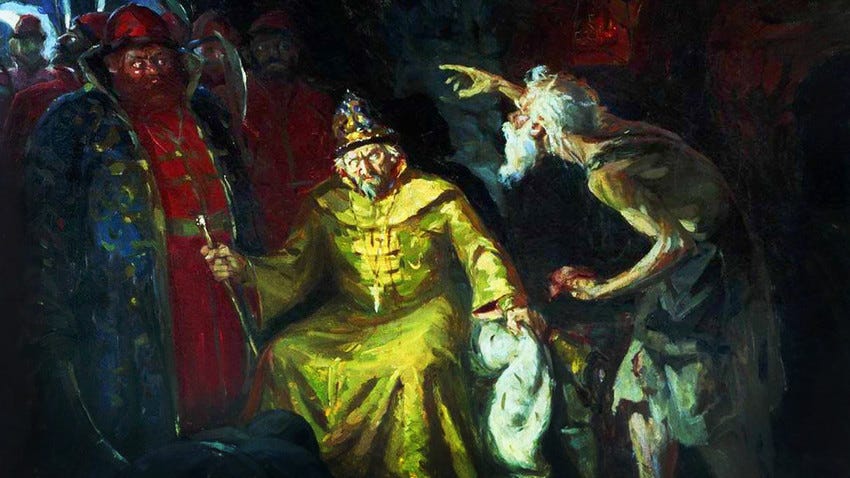
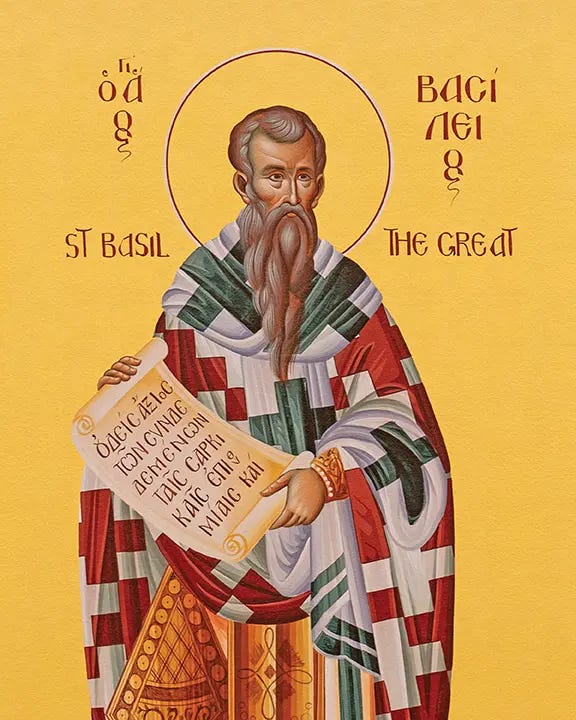
One of the most famous examples is St. Basil the Blessed, who lived in sixteenth-century Moscow. Basil wandered the streets naked even during brutal winters. He shouted at merchants for cheating the poor. He overturned stalls in the market. He threw stones at houses where respectable people lived and kissed the walls of taverns and brothels.
The explanation he gave was simple and terrifying. The houses that appeared righteous were often filled with hidden sin, and demons sat comfortably inside them. The brothels and taverns were filled with people who knew they were sinners and sometimes cried out to God in desperation. Basil kissed those walls because angels were present there.
People thought he was mad. Yet even the powerful feared him. The great Tsar Ivan the Terrible himself trembled in Basil’s presence and carried his coffin when he died.
What kind of holiness behaves this way?
To understand it we must begin with the strange words of the Apostle Paul. In the first letter to the Corinthians he wrote something that still shocks readers.
“We are fools for Christ’s sake.”
Paul did not mean this metaphorically. The early Christians were literally considered insane by the Roman world. They refused to worship the emperor. They embraced poverty. They forgave enemies instead of seeking revenge. They believed a crucified man had conquered death and ruled the cosmos.
To Rome, this was madness.
The holy fools simply took that principle and pushed it to its absolute edge. If the world believes the Gospel is foolish, they reasoned, then perhaps holiness should appear foolish as well.
But their madness was not random. It was chosen.
The saints who became holy fools were often highly intelligent and spiritually mature. Many had lived disciplined ascetic lives before embracing this strange path. Their “insanity” was not a loss of reason but a deliberate hiding of it. They concealed their virtue beneath the mask of absurdity.
Why would someone do this?
Partly because praise is poison to the spiritual life. A monk who becomes respected can easily begin to believe his own reputation. Pride grows quietly in admiration. The holy fool escapes this danger entirely because no one admires him. He receives ridicule instead of applause.
Humiliation becomes his armor.
But the deeper reason lies in something even more radical. The holy fool exposes the hidden insanity of the world itself.
A society that worships wealth considers poverty irrational. A culture that celebrates power considers humility absurd. A civilization built on pride will always interpret holiness as madness.
The fool for Christ becomes a living mirror. His strange behavior forces people to confront the possibility that the world’s definition of sanity is itself corrupted.
This is why holy fools often appear during periods of social decay. They emerge in times when religion has become respectable but hollow, when faith has been absorbed into political power or cultural prestige.
In such moments the fool becomes a prophet.
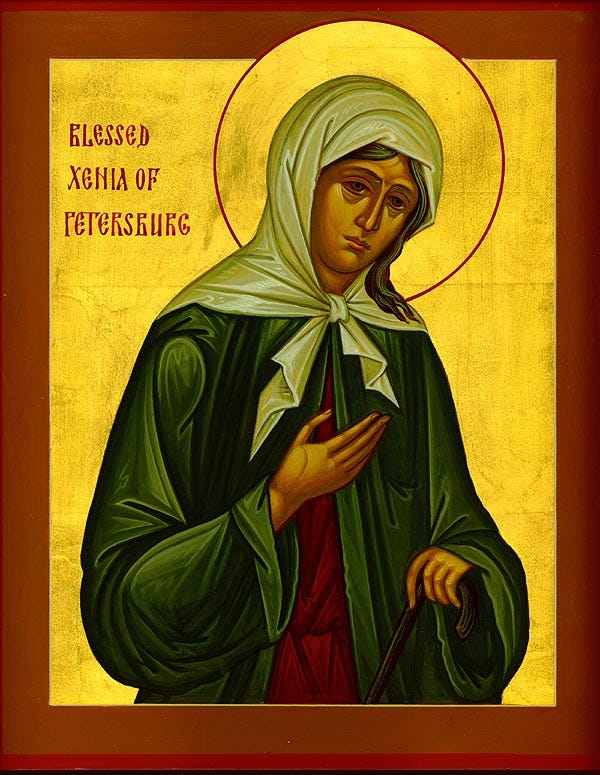
Another famous example is St. Xenia of Petersburg. After her husband died suddenly, Xenia gave away all her possessions and began wandering the streets dressed in his military uniform. She insisted people call her by his name.
For decades she lived this way. She slept outdoors. She carried bricks at night to secretly help build a church. She spoke cryptic warnings that people later realized were prophetic.
To passersby she appeared unstable, even tragic.
But the people of the city slowly began to notice something unsettling. Her strange words often came true. Her prayers healed the sick. Her presence brought comfort to the suffering.
The woman who seemed mad was actually seeing more clearly than everyone else.
This pattern appears again and again among the holy fools. Beneath their chaotic behavior lies an unsettling clarity about the human heart.
They see hypocrisy instantly.
They see the hidden idols people worship.
They see the fragility of the systems we trust.
Because they refuse to participate in the normal games of status and reputation, they stand outside the machinery of society. That position gives them a freedom few others possess.
A holy fool can rebuke a king because he has nothing to lose. He owns no property. He seeks no honor. His identity is already ruined in the eyes of the world.
What power can threaten a man who has already surrendered everything?
In this sense holy foolishness becomes a strange weapon against empire. Empires survive by controlling reputation, reward, and fear. They grant honor to the obedient and punish those who step out of line. The fool slips through that system entirely. He cannot be bribed with prestige and cannot be intimidated by shame.
His entire life is already a scandal.
History shows that rulers often feared these saints more than political rebels. A rebel seeks power. A fool exposes power as meaningless.
Ivan the Terrible could command armies and execute nobles, but he could not silence Basil the Blessed. The fool spoke truths that no court official dared utter.
The empire was strong, yet it trembled before a barefoot madman.
This reveals something profound about the nature of spiritual authority. True authority does not come from control but from freedom. The fool for Christ has stepped outside the normal structures of desire. He does not seek comfort, status, or recognition. That detachment gives his words a frightening weight.
When such a person speaks, people listen.
Yet the purpose of holy foolishness is not merely protest. It is also revelation.
The fool reveals that the Kingdom of God operates according to an entirely different logic than the kingdoms of the world. In that Kingdom the last become first. The poor inherit eternity. The meek overturn empires without lifting a sword.
To embody that paradox, the saint becomes a paradox himself.
He laughs where others weep and weeps where others celebrate. He behaves like a madman in order to demonstrate that the pursuit of wealth, status, and domination is the true madness.
From the outside this path appears unbearable. The fool accepts humiliation daily. He lives without comfort, reputation, or security. Yet those who encountered these saints often reported something strange. Beneath the chaotic exterior was an almost childlike joy.
The fool had nothing left to protect.
Once a person abandons the endless struggle to maintain dignity in the eyes of the world, a strange freedom appears. The opinions of crowds lose their power. Fear of embarrassment evaporates. Life becomes startlingly light.
Perhaps this is why Christ himself spoke so often about becoming like a child. The holy fool returns to that state through radical surrender.
He allows the world to misunderstand him completely.
This mystery also explains why such saints are rare. Holy foolishness cannot be imitated safely. Without deep humility and spiritual discernment it quickly becomes self-indulgent chaos or theatrical rebellion. The true fool does not seek attention. In fact he tries to avoid it. His strange behavior is not performance but concealment.
Only a person who has already conquered pride could endure the humiliation this path requires.
And yet these saints continue to fascinate people centuries later. Something about them cuts through the polished surface of modern religion. Their lives remind us that the Gospel was never meant to fit comfortably inside respectable society.
Christianity began as something the world considered absurd.
A crucified carpenter who rose from the dead. Fishermen who confronted emperors. Martyrs who sang while lions approached.
The holy fools simply preserved that scandal.
They remind us that holiness may look very different from what we expect. The saint may not appear dignified, wise, or impressive. He might look ridiculous, disruptive, or even mad.
But sometimes madness is simply the clarity that appears when someone has stopped believing the illusions that everyone else accepts.
The fool walks through the world like a living riddle. Those who dismiss him see only chaos. Those who look deeper begin to notice something else.
A strange freedom.
A dangerous honesty.
And perhaps the quiet presence of a prophet hidden beneath the mask of a madman.

Thank you for this post. You may find interesting the book by Sergey Ivanov and Simon Franklin, “Holy Fools in Byzantium and Beyond“.
Like many things in Russian orthodoxy, the holy fool is rooted in the Byzantine past and heritage. Off the top of my head, one of the most famous was named Andrew, but I can’t recall this exact century. However, the tradition goes all the way back to the desert monasteries pre-Muslim conquest.
I love reading your articles, please keep them coming!